

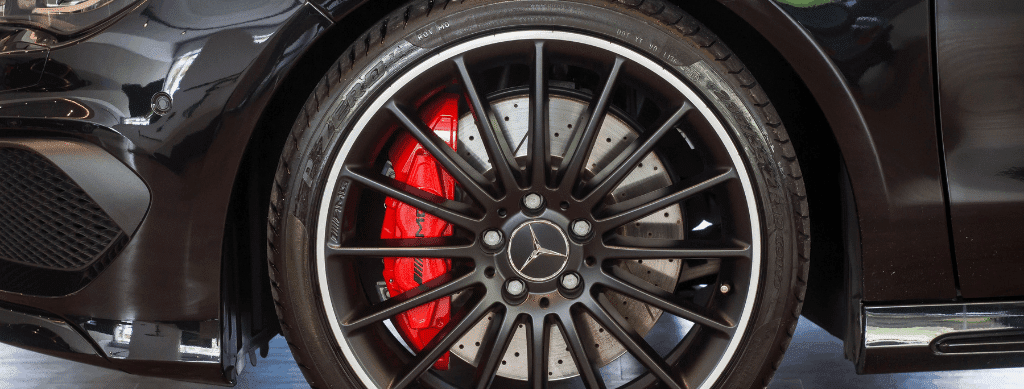
Your Mercedes brake pedal feels different lately, softer than usual, and you’re wondering if it’s serious. The answer is yes. Mercedes braking systems communicate problems through specific warning signs, from grinding noises and dashboard lights to vibration, pulling, and that unmistakable burning smell.
Advanced European Repair serves Mercedes owners throughout Franklin, Plainville, and Norfolk County who need answers about brake symptoms. This guide examines seven critical warning signs your Mercedes displays when brake components fail, what makes European brake systems require specialized service, and the hidden costs of delaying repairs. You’ll learn when symptoms demand immediate attention and why choosing a European auto repair specialist matters for your safety.
What Makes Mercedes Braking Systems Different from Other Vehicles
Your Mercedes doesn’t use ordinary brake components. European engineering demands precision and performance that go far beyond standard automotive brakes.
Key differences in Mercedes brake design:
- High-performance compounds: Brake pads formulated specifically for Mercedes with softer materials for better initial bite
- Precision-machined rotors: Designed to dissipate extreme heat while maintaining smooth contact surfaces
- Advanced electronic integration: ABS, ESP, and brake assist systems that communicate with your vehicle’s computer network
- Specialized brake fluid requirements: Formulations engineered to withstand higher temperatures than domestic specifications
- Performance-oriented calibration: Systems tuned for responsive stopping power rather than just longevity
This sophisticated engineering means your Mercedes requires technicians who understand European brake systems, not just general automotive repair.
Warning Sign #1: Unusual Noises When You Press the Brake Pedal
Sound is often your first indicator that something’s wrong with your Mercedes brakes. Different noises tell different stories about what’s happening inside your brake system.
What brake noises mean:
- Squealing or squeaking: Brake pads worn to the wear indicators, early warning before damage occurs
- Grinding sounds: Metal-on-metal contact, pad material completely worn away, rotors being damaged
- Clicking during braking: Loose brake hardware or worn anti-rattle clips
- Groaning or rumbling: Caliper problems or contaminated brake pads
- Hissing sounds: Brake booster vacuum leak affecting pedal assistance
Don’t dismiss brake noise as normal. These vehicles are engineered for quiet operation, so any unusual sound deserves professional evaluation.
Warning Sign #2: Changes in Brake Pedal Feel and Dashboard Warnings
Your brake pedal and dashboard communicate vital information about system health through feel and electronic alerts.
Pedal Feel Changes to Watch For
| Normal Pedal Feel | Warning Sign | What It Indicates |
|---|---|---|
| Firm and responsive | Soft or spongy | Air in the brake lines or low fluid |
| Consistent height | Sinks to the floor | Master cylinder failure or major leak |
| Smooth pressure | Pulsates at low speed | Warped rotors or ABS sensor issue |
| Immediate response | Requires pumping | Severe air in the system or a failing master cylinder |
Dashboard Warning Lights You Shouldn't Ignore
Critical brake indicators:
- Red brake warning light: Stop driving immediately when safe, critical system failure
- Yellow brake wear indicator: Schedule service soon, pads approaching minimum thickness
- ABS warning light: Anti-lock system malfunction, emergency braking compromised
- ESP/Traction control lights: May illuminate with brake issues since systems share components
Your Mercedes uses hydraulic pressure to activate brakes, and this system depends on brake fluid being incompressible. When air enters the lines through leaks or improper service, it compresses under pressure, creating a spongy feel and reducing braking effectiveness.
Warning Sign #3: Vibration, Pulsation, or Steering Wheel Shake
Feeling vibration through your brake pedal or steering wheel when you slow down points directly to rotor problems that compromise braking performance.
Common causes of rotor problems:
- Heat cycling: Repeated heating and cooling cause metal warping
- Aggressive driving habits: Frequent hard braking or extended downhill brake riding
- Sticking calipers: Uneven pad contact creating localized hot spots
- Improper installation: Wheel mounting issues are causing rotor runout
- Contamination: Brake fluid or oil on rotor surfaces affecting friction
Your Mercedes rotors should provide smooth, flat surfaces for brake pads to contact. When these surfaces become uneven from heat stress, you feel the irregularities as pulsation. European vehicles generate significant heat during normal driving due to their performance capabilities, making rotor condition especially important.
Warning Sign #4: Your Mercedes Pulls or Drifts During Braking
If your Mercedes veers left or right when you apply the brakes, you’re experiencing uneven braking force between sides. This makes driving unsafe, especially during emergency stops.
Why brake pull happens:
- Seized caliper: One side brakes more aggressively than the other
- Contaminated pads: Oil or brake fluid on pad surfaces, reducing friction
- Uneven wear: Significant thickness difference between left and right components
- Restricted fluid flow: Damaged or collapsed brake hose, limiting hydraulic pressure
- Rotor thickness variation: One side is worn more than the other, affecting contact
This pulling sensation might seem minor at low speeds around Franklin, but it becomes dangerous at highway speeds or in emergencies where you need maximum control.
Warning Sign #5: Burning Smell or Excessive Heat from Wheels
A sharp, burning odor after braking signals serious problems that need immediate attention. This smell comes from overheated brake components or friction material burning.
What to Do If You Smell Burning Brakes
If you notice a burning smell, safely pull over and allow your brakes to cool. Check if your parking brake is fully released, as driving with it partially engaged creates heat and that characteristic burning odor.
Sticking Caliper Warning Signs
- Burning smell from one wheel, specifically
- That wheel is noticeably hotter than the others
- Reduced fuel efficiency due to constant brake drag
- Premature tire wear on the affected wheel
- Brake fade where pedal pressure no longer produces adequate stopping
Overheated brakes can boil brake fluid, introducing air bubbles into your hydraulic system and causing complete brake fade. In extreme cases, brake components can catch fire, making this one warning sign you should never ignore.
Warning Sign #6: Low Brake Fluid or Visible Leaks
Your Mercedes brake fluid reservoir should maintain a proper fluid level between the minimum and maximum marks. Low brake fluid typically indicates a leak, as hydraulic fluid doesn’t evaporate or get consumed during normal operation.
Where brake fluid leaks commonly occur:
- Caliper pistons: Seals deteriorate, allowing fluid to seep past
- Brake line connections: Corrosion or vibration loosening fittings
- Master cylinder: Internal seals failing with age
- Brake hoses: Cracking or damage from road debris and weather
Brake fluid appears clear to amber in color and feels slippery to the touch. Small leaks may only show as a gradual fluid level decrease, while larger leaks create visible puddles under your vehicle.
Warning Sign #7: The Hidden Cost of Ignoring Brake Problems
Many Mercedes owners delay brake service, thinking they can wait longer. This approach typically costs more in the long run and puts your safety at risk.
How small problems become expensive repairs:
- Stuck calipers destroy pads: Uneven wear requires replacing components on both sides
- Low fluid introduces air: Simple bleeding becomes a complete system flush
- Warped rotors affect wheel bearings: Vibration accelerates wear in connected components
- Delayed service damages ABS sensors: Brake debris contaminates electronic components
Regular brake fluid inspection helps catch problems early. At Advanced European Repair in Franklin, we include comprehensive brake checks in our Digital Vehicle Inspections whenever you bring your vehicle in for service.
Why European Brake Systems Need Specialized Service in Franklin
Not all auto repair shops have the expertise to properly service Mercedes brake systems. At Advanced European Repair, our ASE Master Technician specializes in European vehicles, understanding the unique requirements of Mercedes, BMW, Audi, Porsche, Land Rover, Range Rover, Volkswagen, Volvo, and Mini brake systems.
- 48-month, 48,000-mile nationwide warranty on most repairs
- Digital Vehicle Inspections show exactly what your Mercedes needs through photos and videos
- Loaner vehicles and shuttle service keep you mobile during repairs
- Text-to-pay and key locker for convenient pickup scheduling
- Family-owned transparency with honest communication about what needs attention now versus later
We serve Mercedes owners throughout Franklin, Plainville, Norfolk, Foxborough, Hopkinton, Walpole, Holliston, and Medfield with the dealership alternative you’ve been looking for. Your Family Depends On Our Family® means we treat every Mercedes brake repair with the same care we’d give our own family’s vehicles.
As one client noted: “If you’re going to own an advanced European automobile, you need advanced European repair. Doug, Eric & Co. continue to deliver high-quality service. I love my car and need a team I can trust. These are the guys.”
Mercedes Brake Repair FAQs from Franklin and Norfolk County Drivers
How do I know if my Mercedes brakes need to be replaced?
Warning signs include squealing or grinding noises, a soft brake pedal feel, dashboard brake warning lights, vibration when braking, or pulling to one side during stops. Any of these symptoms indicates your Mercedes needs a professional brake inspection to determine component replacement needs.
Why do Mercedes brakes wear out faster?
Mercedes brake systems are engineered for high performance and responsive stopping power, which creates more friction and heat than standard vehicles. European brake pads often use softer compounds for better initial bite, leading to faster wear than domestic vehicle brake materials.
How much does Mercedes brake service cost?
Mercedes brake service costs vary based on the specific work needed and which components require attention. A professional inspection identifies exactly what your vehicle needs, allowing for accurate estimates rather than generic price ranges.
Why is my Mercedes brake light on?
The brake wear light illuminates when electronic sensors detect that the minimum pad thickness has been reached. This warning system gives you time to schedule service before metal-to-metal contact damages your rotors.
Are OEM Mercedes brakes better than aftermarket?
OEM Mercedes brake components are engineered specifically for your vehicle’s weight, performance characteristics, and braking system design, ensuring proper fit and optimal performance. Quality aftermarket options exist, but selecting parts that meet Mercedes specifications ensures your braking system functions as the manufacturer intended.
Schedule Your Mercedes Brake Repair in Franklin, MA Today
Don’t ignore brake warning signs that compromise your safety and your Mercedes’ performance. Whether you’ve noticed unusual noises, dashboard warnings, or changes in brake pedal feel, our experienced technicians provide the specialized European brake service your vehicle deserves.
Visit us at Advanced European Repair, 527 Beaver St, Franklin, MA 02038, or call us at 508-520-3876 to schedule your brake inspection. We offer early drop-off, convenient scheduling, and the transparency you need to make confident decisions about your Mercedes maintenance.
