
If you own a German vehicle like a BMW, Audi, Mercedes, Volkswagen, Porsche, or Mini, coolant leaks aren’t a matter of if, but when. The engineering philosophy behind these brands’ cooling systems favors performance and efficiency, but it comes with a predictable weakness: plastic components that degrade under the extreme operating conditions these high-performance engines demand. At Advanced European Repair in Franklin, MA, we’ve diagnosed hundreds of coolant leaks in these vehicles, and the pattern is always the same.
In this article, we’ll reveal why European cars are engineered differently, identify the most common failure points in your cooling system, explain the warning signs that signal trouble before you’re stranded, and share how professional diagnostics and maintenance strategies keep your engine protected.
The Plastic Problem in European Cooling Systems
European automakers prioritize lightweight materials to maximize performance and fuel efficiency. While this delivers an incredible driving experience, it creates vulnerabilities that other vehicles don’t face.
Why Plastic Components Fail Faster
Unlike American and Japanese vehicles that use more metal parts, European cars incorporate extensive plastic throughout their cooling systems:
- Radiator end tanks: Plastic tanks crimped onto aluminum cores
- Expansion tanks: Pressurized plastic reservoirs that experience constant stress
- Coolant hoses: Quick-connect fittings with rubber o-rings
- Water pump housings: Lightweight plastic that surrounds critical pumping mechanisms
- Thermostat housings: Plastic units that crack around mounting points
These components become brittle from constant heat cycling and chemical exposure. BMW vehicles commonly see expansion tank failures around 60,000 to 80,000 miles. Audi models frequently develop cracked coolant flanges where multiple hoses connect to the engine block.
European engines also run hotter than their domestic counterparts to extract maximum power and efficiency. This increased heat stress accelerates aging throughout the cooling system. What might last 150,000 miles in a Toyota could fail at 80,000 miles in a Mercedes simply due to harsher operating conditions.
Coolant Leak Warning Signs for Franklin-Area European Car Owners
Catching a coolant leak early means the difference between a simple repair and a complete engine overhaul. Here’s what to watch for:
- Sweet smell: Coolant has a distinctive syrupy odor you’ll notice inside your cabin or when exiting your vehicle
- Rising temperature gauge: Your engine is running hotter than normal, or warning lights are appearing on your dashboard
- Constantly low coolant levels: If you’re regularly adding coolant to your expansion tank, you have a leak somewhere
- Visible puddles: Bright-colored fluid pooling under your parked vehicle is a clear red flag
- White exhaust smoke: Coolant burning in your combustion chamber produces thick white smoke
Don’t wait if you notice any of these symptoms. A small leak can quickly escalate into a major problem.
Where European Cars Leak Coolant
Through years of servicing BMWs, Audis, Mercedes, Porsches, and other European makes, certain failure points appear consistently.
- Expansion tanks: The most frequent culprit in BMW and Audi vehicles. These plastic tanks experience constant pressure fluctuations and heat cycling, developing stress fractures that eventually lead to sudden coolant loss.
- Coolant flanges: Audi owners know this issue well. These plastic connectors, where multiple hoses join the engine block, crack from heat, vibration, and age. When they fail, coolant pours directly onto the engine.
- Water pump housings: Many modern European cars use electric water pumps with plastic housings that become brittle over time and develop cracks. Traditional mechanical water pumps also fail, with bearing seals allowing coolant to escape.
- Radiator end tank separation: European radiators feature plastic end tanks crimped onto aluminum cores. Repeated heating and cooling cycles can cause these tanks to separate, resulting in significant coolant loss.
- Thermostat housings: BMW is particularly prone to plastic thermostat housing failures. The plastic cracks around mounting points or coolant passages, leaking coolant onto engine components.
The Hidden Danger Most People Miss
Here’s what most drivers don’t realize: coolant leaks rarely stay small. European cooling systems operate under significant pressure, typically 15 to 20 PSI. When a small crack develops, that pressure forces coolant through the opening, rapidly enlarging the crack.
A leak that starts as a few drops can become a complete system failure within days or even hours of driving. The expansion tank that’s weeping coolant on Monday can catastrophically burst on your Wednesday morning commute, leaving you stranded with an overheated engine.
Even worse, low coolant levels cause air pockets in your cooling system. These air pockets create hot spots where coolant isn’t circulating, leading to localized overheating that can warp cylinder heads or blow head gaskets.
If you’ve noticed any of these warning signs, don’t wait. Call Advanced European Repair at 508-520-3876 or visit us at 527 Beaver St, Franklin, MA 02038 for a professional cooling system inspection.
How Professional Diagnostics Find Every Leak
Visual inspections only catch obvious leaks. Professional diagnostics reveal the complete picture of your cooling system’s health.
- Pressure testing: Specialized equipment pressurizes your cooling system to reveal even tiny leaks that aren’t visible during normal operation.
- UV dye detection: Fluorescent dye added to your coolant glows under UV light, making it easy to trace leak paths even when the source isn’t obvious.
- Comprehensive component inspection: Every hose, connection, tank, and fitting gets examined for signs of wear, stress cracks, and deterioration that indicate imminent failure.
What Quality Repairs Involve
Quality repairs go beyond just replacing the leaking part. Professional European vehicle specialists address the root cause and prevent future failures.
- System-wide component evaluation: When one plastic component fails, others of similar age are likely approaching failure too. A thorough repair includes inspecting all cooling system components and recommending replacement for parts showing signs of deterioration.
- European-specific replacement parts: Generic parts don’t cut it for European vehicles. Quality repairs require:
- OEM or OE-equivalent components designed for your make and model
- Parts with proper pressure ratings and temperature tolerances
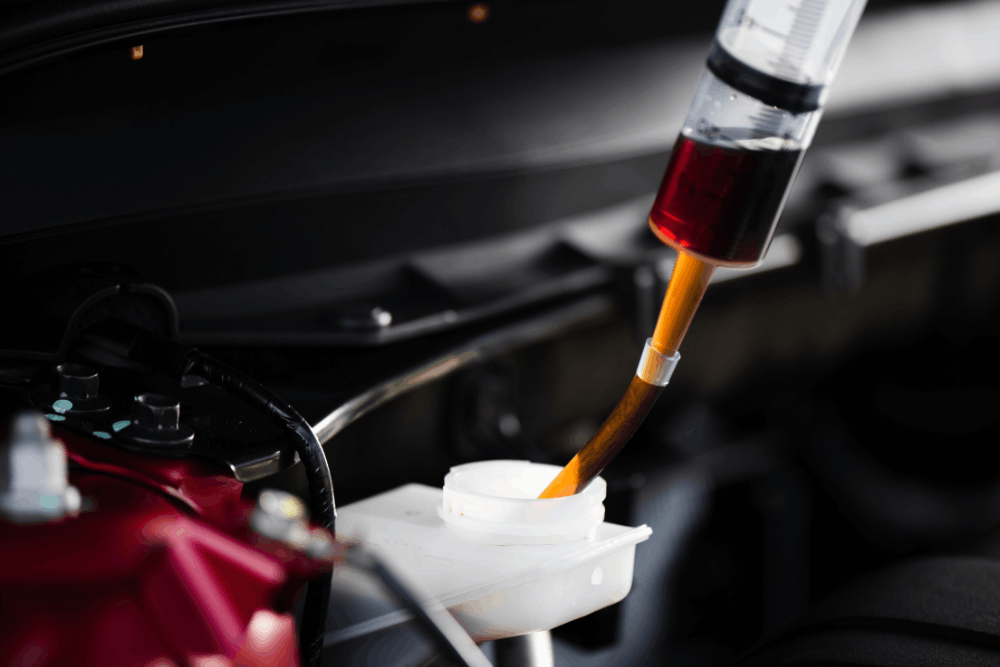
- Premium coolant products that meet manufacturer specifications
- Proper bleeding procedures: European cooling systems require specific bleeding to remove air pockets after repairs. Our technicians follow manufacturer protocols, pressure test the system, and verify proper coolant circulation before returning your vehicle.
Coolant System Prevention Tips for Franklin, MA Drivers
While some failures are inevitable as your European vehicle ages, you can extend component life and catch problems early:
- Follow coolant flush intervals: Fresh coolant contains additives that protect against corrosion and lubricate seals
- Annual cooling system inspections: Professional inspections help identify worn components before they fail
- Proactive replacement: For vehicles over 60,000 miles, consider replacing expansion tanks, coolant flanges, and aging hoses before they fail
- Monitor coolant levels regularly: Check your expansion tank every few weeks
Expert European Auto Repair in Franklin, MA
At Advanced European Repair, we specialize exclusively in BMW, Audi, Mercedes, Porsche, Land Rover, Range Rover, Volkswagen, Volvo, Tesla, and MINI vehicles. Our family-owned shop has built its reputation on transparency, honesty, and customer service that goes above and beyond.
- Digital Vehicle Inspections: Every vehicle receives a thorough inspection using AutoTextMe technology. We document your cooling system’s condition with photos and videos, showing you exactly what’s wrong and what repairs are needed now versus what can wait.
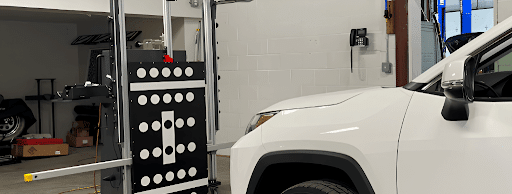
- Advanced diagnostic equipment: We use the same Hunter alignment machines and diagnostic tools as dealerships, but with better customer service and more competitive pricing.
- Nationwide warranty protection: Our repairs come with a 48-month, 48,000-mile warranty.
- Convenient amenities: Loaner vehicles, shuttle service, early drop-off, text-to-pay, and a key locker for late pickup make it easy to fit repairs into your busy schedule.
Your family depends on your vehicle, and your vehicle depends on our family.
FAQs About European Car Coolant Leaks
Why do BMWs and Audis have coolant leaks so often?
BMWs and Audis experience frequent coolant leaks because their cooling systems use extensive plastic components that become brittle from constant heat cycling and chemical exposure. These lightweight parts deteriorate faster than metal components, typically failing around 60,000 to 80,000 miles.
How long can you drive with a coolant leak?
You should not drive with a coolant leak, as even a small leak can quickly lead to engine overheating and catastrophic damage like warped cylinder heads or blown head gaskets. Have your vehicle inspected immediately to prevent major engine damage.
What causes coolant system cracks in European cars?
Coolant system cracks result from heat cycling, age-related plastic degradation, and higher operating temperatures that stress components. The constant expansion and contraction makes plastic parts brittle over time, causing stress fractures in expansion tanks, thermostat housings, and coolant flanges.
Is it expensive to fix a coolant leak?
Repair complexity varies depending on the component and location. However, fixing leaks promptly is far less involved than repairing engine damage from overheating, which requires extensive work and replacement of critical engine components.
Can I use any coolant in my European car?
No, European vehicles require specific coolant formulations that meet manufacturer specifications for corrosion protection and temperature performance. Using the wrong coolant can damage seals, cause corrosion, and void your warranty.
Schedule Your Coolant System Inspection in Franklin Today
Don’t let a small coolant leak turn into a major engine problem. Whether you drive a BMW, Audi, Porsche, Land Rover, Range Rover, Mercedes, Volkswagen, Volvo, Mini, or Tesla, our ASE-certified technicians can diagnose and repair your European vehicle’s cooling system quickly. We serve Franklin, Foxborough, Hopkinton, Walpole, Holliston, Medfield, Norfolk, Plainville, and surrounding communities throughout Norfolk County.
Visit Advanced European Repair at 527 Beaver St, Franklin, MA 02038, or call us at 508-520-3876 to schedule your coolant inspection. We’ll perform a comprehensive Digital Vehicle Inspection at no charge with your service. Your family depends on our family.®